Master China Sourcing with HiSourcing Blog

A private label manufacturer makes a product to your specification and puts your brand on it, so you sell it as your own. If you run an Amazon FBA or ecommerce store, China is still where most of these factories sit, across nearly every category. The hard part is not finding factories. It is finding ones that are real, capable, and willing to work at your order size, then verifying them before you wire any money.

In this post from HiSourcing, we list 20+ notable private label manufacturers in China, grouped by category. Then we will walk through how we find and vet a factory, the real MOQs and costs to expect, how to pay safely, and what changes when you are sourcing for Amazon FBA.

Want us to shortlist and vet factories for your product instead of cold emailing 20 of them? Talk to us.

Key Takeaways

  • Private label manufacturer: a factory that produces goods to your spec and brands them as yours, unlike white-label stock products you simply relabel.
  • China covers almost every category and is the most practical base for shipping straight into Amazon FBA warehouses, but factory quality varies widely, so vetting is the whole game.
  • Real entry barriers: MOQs come in tiers, you usually pay for samples and sometimes tooling, and lead times commonly run several weeks.
  • The biggest risks are trading companies posing as factories, prices that are too low to be real, refusing a factory audit, and leaving your trademark and design unprotected.
  • Going direct to 20 unknown factories is heavy work; a sourcing agent matches you, audits the factory, negotiates MOQ, and manages production.

What is a private label manufacturer?

A private label manufacturer is a factory that produces a product to your design and specification, then labels and packages it under your brand rather than its own. You own the brand; they own the production line.

This is different from white label, where you take an existing off-the-shelf product and simply add your logo. With private label you control the formula, materials, dimensions, and packaging. If you are weighing the two, we cover it in detail in private label vs white label.

One honest note from the trade: many private label factories stay deliberately low-profile and work under non-disclosure terms, which is why public “lists” of them are thinner and messier than you would expect. That is part of why verification matters so much.

Why source private label manufacturers from China?

Private label is not a niche play. U.S. store-brand sales hit a record $282.8 billion in 2025, and store brands now hold 21.3% of dollar sales, so demand for well-made own-brand products is real and still growing.

China remains the default for private label because the supply chain is deep and complete, and it covers almost every category an FBA seller would launch, from apparel to electronics to supplements. You can usually find several capable factories for one product and negotiate on price, MOQ, and customization.

For Amazon sellers specifically, China has a practical edge: factories and their partner forwarders are used to shipping straight into Amazon FBA, including prep, FNSKU labeling, and packaging to Amazon’s requirements. That removes a whole layer of domestic handling. We cover that side in FBA prep and labeling.

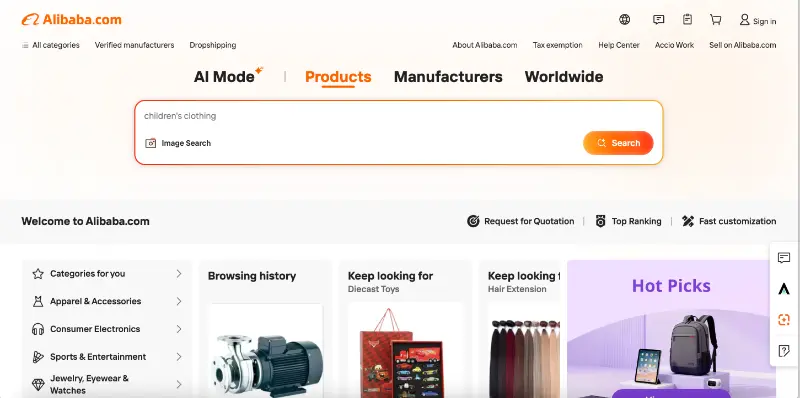
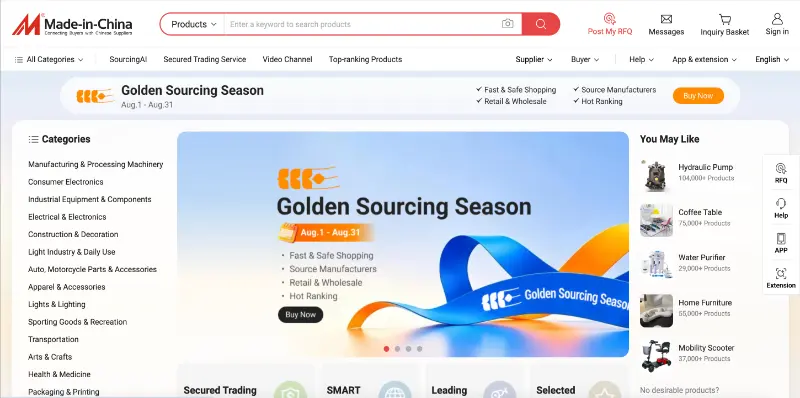
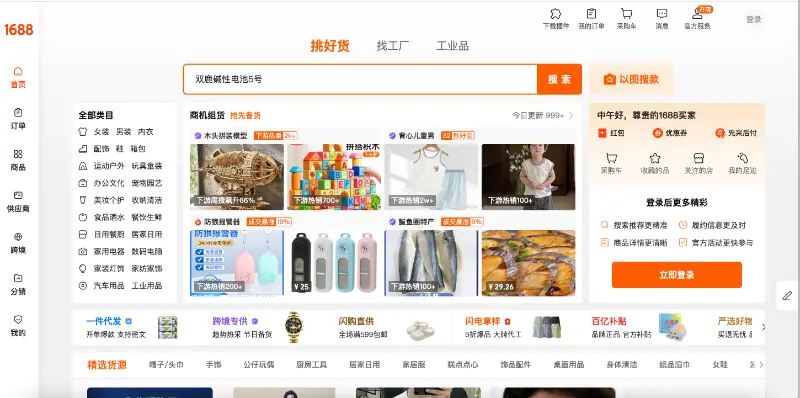
You will hear three sourcing channels again and again: Alibaba (English, export-facing), 1688 (China’s domestic platform, cheaper, Chinese-only), and the Canton Fair (the giant trade show). Each is useful, and each has traps, which we get to below.

It also helps to know where each category clusters, because China’s factories concentrate by region:

  • Shenzhen and the wider Pearl River Delta: Electronics
  • Guangzhou: cosmetics and personal care center
  • Chaozhou, Yangjiang and Jiangmen: cookware and hardware
  • Shandong: apparel
  • Yiwu: small accessories

You will see the same cities repeat in the factory list below. Knowing the hub for your product saves real time, because it tells you where the specialists are and where prices stay competitive.

20+ best private label manufacturers in China

Here is the part you came for. The factories below are notable, publicly-listed private label manufacturers in China, grouped by category. We checked that each one is a real company with a live site or platform profile and that it offers OEM/ODM in its category, and we noted the strongest verification signal we could find. Two honest caveats:

  • This is an existence check, not an endorsement. We have not personally audited every factory here, and a company describing its own scale is marketing, not proof. Treat this as a research starting point.
  • MOQs shown are what each factory publicly states; your real terms depend on your product and are set in negotiation.

Where you see “Audited Supplier”, that is a third-party badge from Made-in-China verifying the business license and a site check, which is the strongest public signal in this list.

Apparel and accessories

Manufacturer Base Makes Stated MOQ Verification note
Taian BOWINS Garment Taian, Shandong Outdoor, workwear, activewear, tactical 100-300 Est. 2007, ISO 9001:2015, 30,000 m²
GuiPing Clothing Guangzhou Hoodies, tees, streetwear, activewear 100 / style BSCI/SGS/OEKO-TEX stated; legal name not published
Guangzhou Huilin Clothing Panyu, Guangzhou Womenswear, streetwear, swimwear 30-50 Low MOQ, but thin public profile; verify before ordering

Kitchen, home, and small appliances

Manufacturer Base Products Verification note
Guangdong Huanghe Hardware (Purecook) Chaozhou, Guangdong Cookware, bakeware, dinnerware Est. 1998; Amfori-BSCI + ADEO audited, FDA/LFGB/TÜV/SGS
MU Group (Market Union) Ningbo; factories in Guangdong/Zhejiang/Jiangsu Kitchenware, storage, houseware ISO/FDA/LFGB/CE, BSCI/SEDEX; Walmart/Target/Amazon-approved
Linkfair Yunfu, Guangdong Cookware, bakeware, utensils, small appliances 7 factories, 400,000 m², 3,000 staff

Kitchen and home is one of the deepest and best-audited categories in China, which is why several names here carry real third-party audits. For a new private label, it is a forgiving first category: established factories, mature compliance, and predictable quality.

Beauty and personal care

Beauty is a regulated category. A capable factory here should hold GMPC/ISO 22716, and you carry responsibility for compliance in your destination market, so treat certifications as table stakes.

Manufacturer Base Makes Verification note
Guangzhou Qiaomei Cosmetics Baiyun, Guangzhou Skincare, haircare, body, baby, sun care Since 2002, France-invested; GMP/ISO 22716/FDA/SGS/Sedex
Guangdong Bawei Biotechnology Baiyun, Guangzhou Skincare, makeup, haircare, baby care ~15-20 yrs; CNAS/CMA/IFSCC; 6,000+ formulas
Guangzhou Cosmetics Factory Baiyun, Guangzhou Skincare, makeup, personal care GMP/ISO 22716; ~15,000 m², ~1M units/month; MOQ 1,000/SKU
Leecosmetic Baiyun, Guangzhou Color cosmetics: eye, face, lip Since 2013; GMPC/ISO 22716; MOQ 1,000-12,000; may also resell

Health and supplements

Manufacturer Base Makes Verification note
Jiangsu Handian Biotechnology Nanjing, Jiangsu Gummies, tablets, softgels, powders Est. 2010; Made-in-China Audited Supplier, 4.3★; cGMP/FSSC 22000; MOQ from 500 bottles
Guangzhou Jiabeikang Industrial Huadu, Guangzhou Gummies, softgels, capsules, tablets GMP/FDA-reg/ISO 22000/HACCP/HALAL/BRCGS/NSF
Pharmatech Asia Group (PAG) China; service center Shenzhen Gummy and nutraceutical supplements ~27 yrs; SGS/Eurofins/NSF lab partners; MOQ ~1,000 kg

Supplements and anything ingestible carry the heaviest compliance load. Confirm the certifications independently and make sure formulas meet your destination market’s rules before you commit.

Consumer electronics and accessories

Manufacturer Base Makes Verification note
Shenzhen D-Wireless Longhua, Shenzhen Chargers, cables, power banks, wireless Est. 2012; Audited Supplier, verified license, 4.9★; ISO 9001/CE/FCC/UKCA
Shenzhen JingYi Technology (Morui) Longhua, Shenzhen Power banks, earbuds, power stations Est. 2017; ISO 9001/CE/RoHS/FCC/UN38.3; MOQ 50 own brand / 1,000 OEM
Shenzhen Hongshengchang Technology Baoan, Shenzhen Power banks, TWS earbuds, smartwatches, solar Est. 2009; CE/EMC/RoHS/FCC; also a trading company, so confirm factory status

Electronics carry the heaviest compliance load after supplements. Insist on FCC and CE test reports for your specific model, confirm the supplier is a real factory rather than a Shenzhen trading desk, and budget time for safety certification before launch.

Pet products

Manufacturer Base Makes Verification note
Shenzhen TIZE Technology Shenzhen Smart pet devices, trackers, leashes, harnesses Est. 2011; ISO 9001/BSCI/CE/FCC/SGS; MOQ 50-100
Dongguan Pairui Pet Supplies Dongguan, Guangdong Harnesses, collars, leashes, accessories 10+ yrs; 10,000 m²; MOQ 100; confirm certifications

Pet is a fast-growing FBA category with accessible MOQs, but certifications tend to be thinner here, so material safety and durability testing matter more than any logo on the website.

Sourcing partner: HiSourcing

One entry here is not a factory, and we are saying that plainly: that is us.

HiSourcing is a China sourcing agent, not a manufacturer. Instead of you cold-emailing 20 unknown factories, comparing quotes you cannot read, and hoping the samples match the bulk order, we match you with the right factory for your product, audit it, negotiate MOQ and price, run quality control, and ship to Amazon FBA. If you would rather skip the legwork, that is what our private label and customization service is for.

Tell us your product and target order size, and we will come back with a vetted shortlist. Contact us.

How to find private label manufacturers in China?

You have four realistic ways to find a factory, and each trades convenience against risk.

Alibaba is the easiest starting point because it is in English and export-ready. The catch is that many listings are trading companies, not factories, so the “manufacturer” you message may be a middleman adding margin. Filter for verified and assessed suppliers and always confirm who actually owns the production line.

1688 is Alibaba’s domestic sibling. Prices are lower, and you reach real factories, but it is Chinese-only, quotes are in RMB, and most suppliers will not handle export or talk to you in English. In practice, you need someone in China to use it well.

The Canton Fair and Made-in-China round out the picture: a trade show where you meet factories face to face, and a B2B platform whose Audited Supplier badge is one of the few third-party checks you can lean on.

Here is how the four channels compare at a glance:

Channel Language Best for Main risk
Alibaba English Starting out, export-ready suppliers Traders posing as factories
1688 Chinese only Lowest domestic prices No English or export support; needs someone in China
Canton Fair In person Meeting factories face to face Travel cost; still needs follow-up vetting
Sourcing agent English Hands-off, custom products, FBA A fee on top, often offset by better pricing and fewer mistakes

Related Posts:

How to vet and verify a private label manufacturer?

This is where deals are won or lost, so here is the process we actually run before we let a client wire a deposit. It is not a checklist you can skip.

Before the steps, here is what a strong private label manufacturer looks like, so you know what you are checking for:

Trait What good looks like
Category focus Specializes in your product type, not a catalog of everything
Certifications Holds and can prove the standards your category needs: ISO 9001, GMP, BSCI
Sampling Will make a paid pre-production sample and a small pilot run
Communication Answers technical questions clearly and in writing
MOQ flexibility Offers a realistic entry tier, not only mass volume
Pricing transparency Breaks down unit cost, tooling, and sampling separately
Capacity Can scale with you without quality slipping
Compliance help Knows your destination market’s rules: FCC, CPC, CE, FDA

Confirm it is a factory, not a trader. Ask for the business license, match the registered name to the bank account, and request a live video walk of the line. A real factory shows you the floor; a middleman gets vague.

Check the certifications that matter for your category, then verify them rather than trusting a logo. ISO 9001 for general quality systems, BSCI or SEDEX for social compliance, GMP/ISO 22716 for cosmetics, FSSC 22000 or NSF for supplements. A certificate number you can look up beats a JPEG every time.

Order a pre-production sample, then a small pilot run. Samples tell you what a factory can do at its best; a pilot run tells you what it does at volume. The gap between the two is where most quality problems hide.

Run a factory audit and a pre-shipment inspection. An on-site audit confirms capacity and conditions; a pre-shipment inspection checks the actual goods against your spec before they leave. We treat both as non-negotiable, and you can read how we run them in our quality control process.

Red flags we walk away from: a quote far below everyone else, refusal to allow an audit, a “factory” with no factory photos or only stock images, and a bank account name that does not match the company.

MOQ, costs and lead times: the real numbers

Private label has real entry costs, and pretending otherwise sets you up to be disappointed. Here is what to actually budget for, in plain terms.

MOQ comes in tiers. Simple relabeling or light customization can start at 50 to 500 units; deeper customization with your own mold or formula pushes into the thousands.

You pay for samples, and sometimes for tooling. Sampling fees are normal and often credited against a bulk order. If your product needs a custom mold, tooling is a one-time upfront cost that can run from a few hundred to several thousand dollars, depending on complexity. These are typical industry ranges; your real figure comes from a quote on your specific product.

Lead times stack up. A typical cycle is sampling, then bulk production, then shipping, and each stage is measured in weeks, not days. Plan on several weeks, end-to-end, and longer around the Chinese New Year.

A worked example (illustrative)

Here is an illustrative example, not a quote, to show the shape of the math. Say you private label a stainless kitchen tool at 1,000 units on an existing mold: a unit cost in the low single digits, a sampling fee of roughly $50 to $150 that is often credited against the order, no tooling because the mold already exists, and a pre-shipment inspection in the $100 to $300 range, plus shipping and duties.

The takeaway is simple: your real number is the landed cost, which is unit price plus shipping, duties, inspection, and any agent fee, not just the factory quote. Treat any single figure you see online as a starting point and confirm it with a real quote and a sample.

Here is the shape of that budget. The figures are illustrative, but the line items are what you should plan around:

Line item For a 1,000-unit run Note
Unit cost Factory quote, per unit (EXW) Illustrative; confirm with a real quote
Sampling fee One-time, often credited on bulk order Paid before production
Tooling / mold $0 if existing mold; hundreds to thousands if custom One-time, upfront
Inspection Per pre-shipment inspection Optional but recommended
Shipping + duties Varies by weight and route Adds to landed cost
Agent commission Typically 5-10% of order value If you use an agent

Paying suppliers safely and protecting your IP

Two things protect your money and your brand, and new sellers routinely skip both.

Pay in a way that gives you leverage. A common structure is a deposit with the balance against a passed pre-shipment inspection, so you are not paying in full before you have confirmed the goods. Platform escrow like Trade Assurance adds a layer on first orders. Be cautious any time a supplier pushes for full payment up front to a personal account.

Protect your intellectual property early. Register your trademark in your selling market, and if your product has a unique look, consider a design registration. Where it fits, a confidentiality or non-use agreement with the factory reduces the risk of your design showing up under someone else’s listing. None of this is exotic, and all of it is cheaper than losing your brand.

Private label for Amazon FBA: what is different

Sourcing for FBA adds a compliance and logistics layer on top of normal private label, and getting it wrong is expensive.

Packaging and labeling have to meet Amazon’s rules. That means correct barcodes and FNSKU labels, polybag and suffocation warnings where required, and packaging that survives the FBA process. Many factories and forwarders can prep to Amazon’s spec, alone with Amazon FBA sourcing agents.

Compliance certifications depend on your category. Electronics may need FCC, children’s products need CPC and the right safety testing, and various goods need CE for other markets. Build this into your spec sheet from the start, not after production.

Plan around restock lead time, not just your first order. With FBA, every reorder has to clear production, shipping, and check-in before your stock runs out, and that cycle is measured in weeks. The sellers who win at private label place the second order before the first one lands, so they never go out of stock during a sales ramp. Build that cash-flow rhythm into your launch from day one.
Inspect before it ships to FBA. Amazon is unforgiving about defects and labeling errors, and fixing a problem after it reaches a fulfillment center is slow and costly. A pre-shipment inspection on FBA-bound stock pays for itself.

Common mistakes, and when not to go factory-direct

I will be honest about something most lists will not say: going factory-direct is not always the right move. Here are the mistakes we see most, and the cases where a sourcing agent genuinely is not worth it.

The mistakes: chasing the lowest quote and ignoring why it is low; skipping the pilot run and discovering the bulk order does not match the sample; paying in full up front; and launching without trademark protection. Each one is avoidable and each one is common.

When you may not need an agent: if you are ordering a simple, standard product at low volume from a verified supplier you can communicate with directly, the margin an agent adds may not be worth it. Going direct makes sense when the product is simple and the stakes are low.

When an agent earns its fee: custom products, multiple factories, real quality risk, FBA compliance, or scaling past the point where you can personally manage every order. That is the work we do, and we will tell you honestly which situation you are in.

Frequently asked questions

Where can I find private label manufacturers in China?

Start on Alibaba and Made-in-China for English, export-ready factories, use 1688 for cheaper domestic options if you read Chinese, and meet factories at the Canton Fair. Verify any supplier with a business-license check and a factory audit before ordering.

What does it mean to be a private label manufacturer?

It means the factory produces goods to your design and specification and labels them under your brand, not its own. You own the brand and the artwork; the factory supplies production capacity, materials, and often packaging.

Can you brand items you find on Alibaba?

Yes. Many Alibaba suppliers offer OEM or private label, so you can add your logo, custom packaging, and sometimes custom features. Confirm the supplier is a real factory and order a sample before you commit to a bulk run.

Is private label the same as OEM?

They overlap but are not identical. Private label focuses on selling a product under your brand; OEM describes a factory making your design to your spec. A private label product is often made on an OEM or ODM basis.

What are the four types of private label products?

A common grouping is generic or value brands, copycat or me-too products, premium store brands, and value-innovation lines. For a seller, the practical split is simpler: relabeled stock, lightly customized, and fully custom-developed products.

Is private label still profitable?

Yes, when you control cost, quality, and differentiation. Margins come from buying well, keeping defects low, and building a brand customers return to, not from finding the single cheapest factory. The sellers who struggle are usually the ones who skipped vetting.

How much does it cost to start a private label business?

Budget for unit cost at your MOQ, a sampling fee, any tooling if your product needs a custom mold, inspection, and shipping plus duties. The factory quote is only one line; your real number is the landed cost of your first order plus product photography and listing.

How do I start a private label brand?

Pick a product and target market, find and verify a factory, order a sample then a pilot run, lock your packaging and trademark, and inspect before shipping. Most first-time sellers move fastest by starting with a lightly customized product rather than a fully custom build.

Can you dropship private label products?

You can, but it is harder than standard dropshipping because you hold custom-branded inventory with a real MOQ. Most sellers private label into a fulfillment model like Amazon FBA rather than true dropshipping, since the branding only pays off at volume.

Final thoughts

The list above gives you real factories to start from, but the names are the easy part. What decides whether your private label works is the boring discipline around them: confirming the factory is real, ordering a sample and a pilot run, inspecting before it ships, and protecting your money and your brand on the way.

That is the part we handle for sellers every day, and we will tell you plainly when you need us and when you do not. If you want a vetted shortlist for your product instead of 20 cold emails, talk to us.

If you’re sourcing a product from China to sell under your own brand, you’ve hit the same fork everyone hits: private label vs white label. Both let you put your logo on a factory’s product. But they split hard on three things that decide your margins:  control, cost, and speed, and that split changes how you actually buy from China.

We’ve helped first-time importers, Amazon sellers, and wholesale buyers go both routes. This guide from HiSourcing breaks down the real difference between private label and white label, what each costs, how they play on Amazon, and how to pick.

Key Takeaways

  • White label = a ready-made, generic product you rebrand. Fast, low MOQ, low cost, but no exclusivity (competitors can sell the identical item).
  • Private label = a product built to your spec and sold only under your brand. More control, higher MOQ, and upfront cost, but defensible.
  • On Amazon, you effectively need a private label to enroll in Brand Registry and protect your listing; white-label listings are easy to undercut.
  • Most brands start with white label to test demand, then graduate winners to private label.

What Is White Label?

A white-label product is a generic item a factory already makes, which you buy and rebrand as your own. You don’t touch the design or formula. The only things you control are the logo, label, and packaging.

Because the product is non-exclusive, the same factory can sell the identical item to dozens of other brands. Think unbranded phone chargers, kraft mailers, microfiber cloths, or a plain glass candle jar. You’ve seen the same water bottle under five names, that’s white label.

Some profitable products to import from China start with white label products.

What Is Private Label?

A private-label product is made to your specification and sold exclusively under your brand. You define the materials, dimensions, formula, features, and custom packaging; the factory builds your version and can’t sell it to anyone else.

This is closer to contract manufacturing: you own the spec, and often the mold or tooling. A grocery chain’s exclusive snack line, a DTC brand’s custom-scented candle, Costco’s Kirkland Signature: all private label. The factory makes it; the brand owns it. And some international brands, like Costco, have their own private label manufacturers in China.

How do you tell white label and private label apart fast? Ask one question:

Can a competitor buy the exact same product?

If yes, it’s white label. If the factory is contractually building it only for you, it’s private label. Everything else, like cost, speed, and MOQ, flows from that one fact.

Private label vs white label comparison infographic

Private Label vs White Label: Key Differences

Here’s the side-by-side comparison of private label vs white label:

Dimension White Label Private Label
Customization Logo, label, packaging only Materials, design, formula, features
Exclusivity None, competitors sell the same item Exclusive to your brand
MOQ Low (often 100–500 units) Higher (often 500–3,000+ units)
Lead time ~1–3 weeks (stock goods) ~30–60+ days (sampling + production)
Upfront cost Low, no R&D or tooling Higher, samples, tooling, testing
IP / mold ownership Factory owns the design You own spec; negotiate mold ownership
Quality control Limited to factory’s standard You set the QC checklist and certifications
Amazon Brand Registry Hard, generic product, no real brand control Yes, your brand, eligible for protection
Hijack / price-war risk High, identical product, race to bottom Low, unique listing

What Does Private Label vs White Label Actually Cost?

The honest answer: white label costs less upfront, private label costs more upfront but defends your margin over time. The gap shows up in four line items, not just the unit price.

The ranges below are illustrative typicals we use to set expectations, not a quote. Your real numbers depend on the product, material, and volume.

Cost line White Label (illustrative) Private Label (illustrative)
Samples ~$20–80 (existing product) ~$50–300+ across iterations
Tooling / molds None ~$0 (label only) to $2,000–15,000 (custom mold)
MOQ capital tied up Lower, small first order Higher, bigger commitment
Pre-shipment inspection ~$100–300 / man-day ~$100–300 / man-day (more critical)

In our experience, the mistake isn’t choosing the “expensive” option; it’s underestimating the tooling and MOQ commitment on private label, then getting stuck with stock you can’t move.

And private label is far from a niche bet. U.S. store-brand sales hit a record $282.8 billion in 2025 (up 3.3%, all outlets), taking 21.3% of dollar share and 23.5% of unit share, both all-time highs (PLMA, 2025). Across ten major sectors, private label is ~26% of unit volume and 61% of consumers say it offers above-average value (Numerator, 2025).

Private Label vs White Label on Amazon FBA

For serious Amazon sellers, this choice is mostly made for you: private label is the route that unlocks Brand Registry. To enroll, Amazon wants a registered trademark on your brand, which a generic white-label product rarely supports in a defensible way.

That matters because Brand Registry is what gives you A+ Content, Sponsored Brands, and tools to fight hijackers.

A white-label listing is exposed: anyone sourcing the identical product can list against you (or on your ASIN) and drag it into a price war. Private-label brand protection exists precisely because generic listings get attacked.

How to Choose: White Label or Private Label?

White label to private label upgrade path, test with white label, then graduate bestsellers to private label

Choose white label if speed and low risk matter most. You’re testing a market, have a thin budget, or sell in a category where the product is a commodity, and your edge is branding and marketing.

Choose private label if you’re building a brand you intend to keep. You need differentiation, pricing power, exclusivity, or Amazon Brand Registry, and you can fund the tooling and MOQ.

The smartest play for most growing brands is a sequence, not a side:

Start white label to validate demand cheaply, then graduate your proven winners to private label once you know what sells and exactly what your customer wants. The white-label phase tests the market; the private-label phase captures it.

FAQs

Is private label the same as white label?

No. Both put your brand on a third-party product, but white-label goods are generic and sold to many sellers, while private-label products are built to your spec and sold only by you.

Which is better, white label or private label?

Neither is universally better. White label wins on speed and low cost; private label wins on exclusivity, margin, and brand defensibility. The right one matches your stage, budget, and channel.

Is white labeling legal?

Yes. White and private labeling are standard, legal business models. Just make sure trademark use, quality liability, and certifications are clear in your supplier agreement.

Do I need private label for Amazon Brand Registry?

Effectively, yes. Brand Registry requires a registered trademark on your own brand, which private label supports and a generic white-label product generally does not.

Do I need my own factory for private label?

No. Almost all private-label brands outsource to third-party factories. You own the spec and (ideally) the mold — the factory owns the machines.

What’s the difference between white label, private label, and OEM?

White label / ODM = you rebrand the factory’s existing product. Private label / OEM = the factory builds to your specification. It’s a spectrum of how much you control.

Which is cheaper, and what are the real MOQs?

White label is cheaper upfront with lower MOQs (often a few hundred units). Private label costs more (samples, tooling) and usually starts higher (often 500–3,000+ units), but can deliver better margins.

Can I start with white label and switch to private label later?

Yes — and many brands do exactly that. Validate demand with white label, then move your bestsellers to private label for differentiation and protection.

Final Thoughts

That’s the real split between private label vs white label: white label is the fast, low-risk way in; private label is the slower, sturdier way to own a brand. The right choice isn’t the “better” model. It’s the one that fits your budget, timeline, and where you want to be a year from now. For a lot of sellers, the answer is both, in sequence.

If you’d like a second pair of eyes before you commit, that’s what we do every week. At HiSourcing, you work directly with a senior sourcing specialist in China. We help you vet suppliers, run quality control, and arrange shipping for white-label or private-label orders alike. Planning your next order from China? Book a free consultation, and we’ll walk through the options with you.

Recommended Posts:

Short Answer:


FOB means the seller delivers your goods onto the ship at the origin port, after which the ocean freight, insurance, import clearance, and duties are yours.


DAP means the seller delivers goods to your named address, but you still clear customs and pay the import duties.

FOB vs DAP is one of the most confused choices in international trade, and picking the wrong one quietly shifts thousands of dollars of cost and risk onto the wrong party. Both of them are Incoterms 2020 rules, both have the seller arrange part of the journey, and that overlap is exactly where buyers get caught.

This guide compares these two shipping terms comprehensively. You will see who handles shipping, where the risk passes, what each term really costs once the hidden local charges are added, and a simple way to choose.

FOB vs. More Shipping Terms:

What is FOB (Free on Board)?

FOB (Free on Board) means the seller is responsible for your goods until they are loaded on board the vessel at the named port of origin, including export clearance. From that point on, the ocean freight, insurance, import clearance, duties, and final delivery all belong to the buyer.

FOB is built for sea and inland waterway shipping only, and it is always written with a named origin port, such as FOB Ningbo or FOB Shanghai if you’re sourcing products from Chinese suppliers.

It’s worth pointing out that FOB is not the same as FOB origin or FOB destination. FOB is an international Incoterms/ shipping term that is used in international trade. FOB origin and FOB destination are US domestic terms, and they are used only for American inland shipping.

What is DAP (Delivered at Place)?

DAP (Delivered at Place) means the seller delivers your goods to a named destination of your choice, ready for unloading, and bears all costs and risks of getting them there. That covers export clearance and the main carriage, by sea, air, or road.

The buyer is responsible only for unloading the goods and, importantly, for import clearance and duties at the destination.

FOB vs DAP infographic

FOB vs DAP: What’s the Difference?

The core difference is how much of the journey the seller handles: under FOB, the seller stops at the origin port, while under DAP, the seller carries the goods all the way to your destination. Almost everything else follows from that one point. Here is the side-by-side FOB vs DAP comparison:

Dimension FOB DAP
Shipping method Sea and inland waterway only Any transport mode
Seller’s responsibility To loading on board + export clearance To the named place, ready for unloading + export clearance + main carriage
Buyer’s responsibility Main freight, insurance, import clearance, duties, unloading, and last-mile delivery Unloading, import clearance, duties, and import VAT
Risk transfer point When goods are loaded on board When goods reach the named place, ready for unloading
Who pays the main freight Buyer Seller
Import duty/customs Buyer Buyer (note: not the seller)
Control over shipping Buyer controls the main carriage Seller controls delivery to the door

Shipping method

FOB works only for sea and inland waterway shipping, while DAP works for any mode, including air and road. This is why DAP is the more flexible label when your goods move by more than one method, and why containerized ocean cargo is the one case where FCA is the cleaner choice over FOB.

Responsibilities

Picture the journey as a relay, and the two terms hand over the baton at different points. The stages are the same for both: production, export clearance, main carriage, import clearance, unloading, and last-mile delivery.

Under FOB the seller runs the first leg only, up to loading on board, then passes the baton to you. Under DAP the seller keeps running through export clearance and the entire main carriage, and only hands over once the goods reach your named place. Import clearance and duties stay with you under both.

Risk transfer point

Under FOB, risk passes when the goods are loaded on board at the origin port; under DAP, it passes when they reach your named place, ready for unloading.

FOB has one quiet danger here. You carry the risk from the moment of loading, across the whole ocean leg, yet many first-time buyers forget to arrange marine cargo insurance for exactly that stretch. A single damaged container then becomes a direct loss. Under DAP the seller carries that risk for you, which is part of what you pay for in the higher price.

Cost breakdown

FOB usually shows a lower headline price because it covers less of the journey, but the totals can land close once you add the legs you pay yourself.

Under FOB, you pay the ocean freight, insurance, destination charges, customs, duties, and delivery on top of the goods.

Under DAP, the seller folds the freight and delivery into one number, and you add only unloading, customs, and duties.

A simplified example, for a 40ft container from Ningbo to Los Angeles (illustrative, with rates as of mid-June 2026):

  • FOB Ningbo price: say $18,000 for the goods, with origin local charges already folded in.
  • Add ocean freight: around $5,100 per 40ft container on the Shanghai and Ningbo to US West Coast lane, per the Drewry World Container Index for the week of 18 June 2026. This is a spot rate; it is elevated by peak season, and it moves week to week, so always check the live figure.
  • Add marine insurance, destination handling, customs clearance, and delivery: a few hundred dollars plus your broker fee.
  • An equivalent DAP quote to your LA warehouse would bundle that freight and delivery into roughly the same total, since the seller is paying the same legs you would.

The catch is that under DAP, you still pay the import duty on top, exactly as you would under FOB. For Chinese goods entering the US in 2026 that duty is rarely trivial: imports carry a stack of a base rate plus Section 301 tariffs plus a temporary Section 122 surcharge, which for many consumer goods has landed in the rough range of twenty to forty percent of the customs value.

The exact figure is specific to your product’s code and has kept changing through the year, so confirm it on the USITC HTS and with your customs broker. Duties also vary by destination country, so the principle, not the percentage, is what travels.

Where FOB really earns its keep is the local charges that buyers forget to count. A clean FOB quote should already cover them, but they are the costs that turn a cheap headline price into a surprise:

  • Terminal handling charge (THC) at the origin port
  • Booking and documentation fees
  • Telex release fee
  • Certificate of origin and other document charges
  • Inland trucking from the factory, for example Yiwu to Ningbo port

Controllability

FOB hands you control of the main carriage, while DAP hands that control to the seller. With FOB you choose your own freight forwarder, route, and sailing schedule, and you see every cost as a separate line, which is ideal once you have a forwarder you trust. With DAP you trade that control for convenience: the seller arranges everything to your door, but you lose the leverage to shop the freight and the flexibility to time the shipment.

FOB vs DAP: Pros and Cons

FOB

✅ Transparent, controllable costs; you can shop the freight and the headline price is lower.

❌ You need your own clearance and logistics ability, risk passes to you at loading, and the coordination is on you.

DAP

✅ Convenient; the seller manages delivery all the way to your door, which suits buyers without a forwarder.

❌ Higher unit price, no control over the carrier, and import clearance and duties are still yours, which is easy to misjudge.

FOB vs DAP: How to Choose?

Match the term to your logistics ability, not to whichever quote looks cheapest. Three simple cases cover most decisions.

  • You have a reliable forwarder or can clear customs yourself: choose FOB. You get the lowest goods price and full control of the freight.
  • You want the goods delivered to your door and you can handle import clearance: choose DAP. The seller runs the shipment, while you keep control of the customs entry.
  • Your order is small, you have no clearance ability, or you want a delivered price with nothing left to pay: you most likely want DDP, where the seller also handles import customs and duties.

For an e-commerce seller sending stock into a fulfillment center, FOB plus your own forwarder usually gives the best mix of cost and control, as long as you are set up as the importer.

Further Reading:

How Long Does Shipping from China Take?

FOB vs DAP: FAQs

Is DAP the same as DDP?

No. Under DAP you clear customs and pay the import duties, while under DDP the seller does both. That single point, who is the importer of record, is the whole difference.

Is FOB or DAP cheaper?

It depends on whether you can manage your own freight. FOB has a lower headline price but you pay the ocean freight and import costs yourself, while DAP bundles delivery into one higher price and still leaves the duties to you.

Can I use FOB for container shipping?

You can, and most people do, but the ICC technically recommends FCA for containers because they are handed over before loading. FOB still works in practice for most shipments.

Who pays customs duty under DAP?

The buyer. DAP makes you the importer of record, so you clear customs and pay any duties or import taxes at the destination.

When does risk transfer under FOB?

When the goods are loaded on board the vessel at the origin port. From that moment the goods are at the buyer’s risk.

Does the seller pay freight under DAP?

Yes. Under DAP the seller pays the main freight and delivers to your named place, and you only handle unloading and import clearance.

Is FOB the same as “FOB destination”?

No. “FOB destination” is a US domestic term under the Uniform Commercial Code, not an Incoterm, and it keeps the seller responsible all the way to the buyer.

Conclusion

FOB gives you the lower goods price and full control of the shipment, but you carry the risk from loading and you have to run the logistics. DAP gives you a delivered price and a seller who manages the journey, but the unit price is higher and import clearance and duties are still yours.

Decide based on whether you can handle the freight and the customs entry, write the named place and “Incoterms 2020” into the contract, and you have removed the guesswork. If you are sourcing from China and want the right term plus a clear quote from the ground in Yiwu, we are glad to help.

Ready to import from China the straightforward way? HiSourcing finds and vets suppliers, sets the right shipping term, and runs your order from factory to port, with no service fees. Start with HiSourcing ›

Other Incoterms You Might be Interested in:

Finding the right Amazon FBA sourcing agent is one of the highest leverage decisions an Amazon seller makes. If you’re looking for a reliable one to help you smooth the whole process but don’t know where to start, you’re in the right place.

This guide compares 15 Amazon FBA sourcing agents worth knowing in 2026. For each one, you get the location, ideal customer, services, strengths, limitations, and fee model. You can scan the quick-compare table first, then read the profiles that match your stage and product.

What Is an Amazon FBA Sourcing Agent?

An Amazon FBA sourcing agent is an individual or company (usually China-based) that acts as your local buying office. They find and vet suppliers, negotiate prices, run quality control, and prepare your goods to Amazon’s FBA rules before shipping them to fulfillment centers.

In short, an FBA sourcing agent turns a raw factory order into a polished, FBA-ready shipment so you can spend your energy on growing the brand.

Amazon FBA Sourcing Agent Process

How does an Amazon FBA sourcing agent work

Most Amazon FBA sourcing agents follow a similar end-to-end workflow:

  • Inquiry and brief: You share your product, target price, quantity, and specifications.
  • Supplier sourcing: The agent shortlists vetted factories and gathers competing quotes.
  • Sampling: Pre-production samples are made and reviewed before any mass order.
  • Negotiation: The agent locks in unit price, MOQ, payment terms, and lead time.
  • Production and QC: Inspections run during and after production, documented with photo or video reports.
  • FBA prep: Products are FNSKU labeled, polybagged, bundled, and packed to Amazon’s carton standards.
  • Consolidation and shipping: Goods from multiple suppliers are combined, then shipped by air or sea, often DDP, to your Amazon warehouse.
  • Reorders: A good agent keeps your specs on file so repeat orders move faster.

Amazon FBA Sourcing Agent Benefits

A reliable Amazon FBA sourcing agent delivers advantages that are hard to replicate from a home office on the other side of the world:

  • Supplier verification: Boots on the ground confirm a factory is real and capable, not a trading shell.
  • Stronger pricing: Local negotiation and existing factory relationships often secure better unit costs and lower MOQs.
  • Quality control: On-site inspections catch defects before they reach Amazon and trigger returns.
  • FBA compliance: Correct FNSKU labels, polybags, and carton specs prevent rejected shipments and placement fees.
  • Multi-supplier consolidation: Components from several factories are combined into one efficient shipment.
  • Logistics handling: Freight booking, customs paperwork, and delivery to fulfillment centers are managed for you.
  • Time savings: You skip endless supplier emails and focus on listings, ads, and growth.
  • Language and culture bridge: Fluent communication removes the misunderstandings that quietly derail orders.

Amazon FBA Sourcing Agent vs FBA Prep Center vs Freight Forwarder

These three roles overlap, which is why buyers mix them up. Here is the simple distinction:

  • A sourcing agent finds suppliers, negotiates, and manages production and QC. Many also offer FBA prep service.
  • An FBA prep center receives finished goods, then inspects, labels, kits, and repackages them to Amazon standards. It usually does not source.
  • A freight forwarder books and moves the shipment, handling export, customs, and delivery to Amazon.

The strongest Amazon FBA sourcing agents combine all three under one roof, so a single team carries your order from the factory floor to the fulfillment center. That matters most when your product is a multi-component bundle that needs assembly, premium packaging, and tight quality control before it ever leaves China.

Top 15 Amazon FBA Sourcing Agents

The numbering below is for navigation, not a strict performance ranking. The best Amazon FBA sourcing agent for you depends on your product category, order size, budget, and how much hand-holding you want.

Use the table to compare at a glance, then dive into the profiles. For a wider view beyond FBA specialists, see our roundup of product sourcing companies.

# Sourcing Agent Location Best For Fee Model
1 HiSourcing Yiwu, China FBA sellers and bundlers, beginners, and SMEs testing products Zero service fee
2 Leeline Sourcing Guangzhou and Shenzhen FBA sellers wanting turnkey prep Commission, no upfront fee
3 Supplyia Yiwu, China Budget-conscious small and mid-sized sellers Around 5 percent, tiered options
4 Guided Imports Shenzhen (US run) Brands needing kitting and strong QC Custom or project-based
5 EJET Sourcing Yiwu, China Multi-SKU FBA sellers with frequent reorders Service fee or commission (itemized)
6 IMEX Sourcing Guangzhou and Hong Kong Sellers want process visibility Commission or project
7 FBA Sourcing China Shenzhen, Israel, USA Sellers want fixed per-unit pricing Fixed price per unit
8 China Purchasing Agent Shenzhen, China SMB importers and FBA sellers Low 3 percent service fee
9 Cosmo Sourcing Shenzhen, China FBA sellers wanting flat-rate clarity Flat fee
10 Meeno Group Yiwu, China Sellers building custom branded products Commission (about 3 to 10 percent)
11 Keen Sourcing Shanghai, China Startups needing QC and lab testing Commission
12 OwlSourcing Shanghai, China Private label and custom development 5 percent fee or zero-fee option
13 Zignify Global, multi-country Brands diversifying beyond China No commission on order volume
14 Dragon Sourcing Global (50+ countries) Enterprises and multi-country procurement Fixed fee or retainer
15 JingSourcing Yiwu, China  small business wanting Yiwu access Commission (about 5 to 10 percent)

1. HiSourcing

HiSourcing is one of the best Amazon FBA sourcing agents in China. Instead of charging a commission, it quotes a fair all-in price and openly invites buyers to compare. It is best for sellers launching multi-component bundles or premium gift sets.

  • Location: Yiwu, China
  • Best for: Amazon FBA sellers and brands building private label products, multi-supplier bundles, premium gift sets, or small-batch launches
  • Services: Product sourcing, supplier verification, QC with photo and video reports, FBA prep (FNSKU labeling, kitting, bundling, repackaging), product photography, multi-supplier consolidation, and export handling
  • Pros: Rich Amazon FBA experiences, direct access to the Yiwu market, low MOQs, one dedicated manager per project
  • Limitations: Strongest for consumer goods and small commodities, so highly technical industrial OEM projects may suit a specialist engineering agent
  • Fee model: Simple pricing structure, all costs are included in the unit price

2. Leeline Sourcing

Leeline Sourcing is a long-running, FBA-focused agent that serves thousands of clients worldwide. A standout feature is that it charges no upfront fee and only earns once you confirm a supplier and place an order.

  • Location: Guangzhou and Shenzhen, China
  • Best for: Amazon FBA sellers and growing brands that want a turnkey solution
  • Services: Product procurement, factory audits, QC, sampling, FBA prep, and free China warehousing
  • Pros: No payment until an order is placed, strong English communication, flexible on smaller orders
  • Limitations: Broad generalist focus rather than a single product niche
  • Fee model: Commission, no upfront fee

3. Supplyia

Headquartered in Yiwu, Supplyia positions itself as a budget-friendly, transparent one-stop partner. Basic supplier search is free, and full service runs on a modest commission, which suits sellers watching their capital closely.

  • Location: Yiwu, China
  • Best for: Budget-conscious beginner and intermediate Amazon sellers
  • Services: Supplier sourcing, sampling, inspection, FBA labeling, warehousing, and consolidated shipping
  • Pros: Transparent pricing, small MOQ focus, simple order management
  • Limitations: Best matched to small and mid volumes rather than very high-volume operations
  • Fee model: Around 5 percent commission, with tiered and DIY options

4. Guided Imports

Guided Imports is a Shenzhen-based, US-run agent built specifically around Amazon. A key trust signal is that the company does not sell on Amazon itself, removing any conflict of interest, and it has shipped to FBA for close to a decade.

  • Location: Shenzhen, China (US-founded and run)
  • Best for: Brands needing multi-supplier kitting, consolidation, and rigorous QC
  • Services: Sourcing, dedicated QC department, four inspection types, kitting, FBA prep, and freight forwarding
  • Pros: Does not compete with you on Amazon, deep FBA experience, detailed inspection options
  • Limitations: Premium, project-based service rather than the cheapest option
  • Fee model: Custom or project-based

5. EJET Sourcing

EJET Sourcing is a Yiwu-based Amazon FBA sourcing agent with a Guangzhou branch and an in-house FBA prep operation. A distinctive feature is its trade financing, with flexible payment terms and DDP credit.

  • Location: Yiwu and Guangzhou, China
  • Best for: Multi-SKU Amazon sellers placing frequent reorders
  • Services: Sourcing, product development, QC with lab testing, FBA prep, warehousing, consolidation, and shipping
  • Pros: One-stop sourcing and FBA prep, flexible payment terms, dedicated specialist
  • Limitations: A full-service pipeline suits ongoing orders more than a single low-cost buy
  • Fee model: Service fee or commission, itemized

6. IMEX Sourcing

IMEX Sourcing is a technology-driven agent founded in 2011, known for its client portal, which provides real-time visibility into every stage of an order. Bilingual account managers keep projects moving with a predictable structure.

  • Location: Guangzhou and Hong Kong
  • Best for: Amazon FBA sellers and distributors who value transparency and project tracking
  • Services: Supplier research, negotiation, QC and compliance inspections, logistics, and product development
  • Pros: Real-time project portal, structured QC, experienced bilingual managers
  • Limitations: Process-heavy approach is better suited to considered orders than quick one-offs
  • Fee model: Commission or project-based

7. FBA Sourcing China

As the name suggests, FBA Sourcing China is built specifically for Amazon sellers. It runs on an Israel-China line with warehousing in the US, and quotes a fixed price per unit, so your landed cost is clear from the start.

  • Location: Shenzhen, with offices in Israel and the USA
  • Best for: Sellers who prefer a fixed per-unit price and full hands-off service
  • Services: FBA sourcing, prep, QC, private label, product development, and logistics
  • Pros: Clear per-unit pricing, FBA specialization, complete coverage
  • Limitations: A fixed per-unit model embeds a margin in the price rather than showing the factory cost directly
  • Fee model: Fixed price per unit

8. China Purchasing Agent

China Purchasing Agent is Shenzhen-based and is a practical, low-barrier choice for newer buyers. It offers free trial orders and a transparent 3 percent service fee, with a clear eight-step process from inquiry to shipment.

  • Location: Shenzhen, China
  • Best for: Small and medium importers and Amazon sellers who want simple, local support
  • Services: Product sourcing, FBA prep, inspection, goods reporting, consolidation, and logistics
  • Pros: Free trial orders, low transparent fee, strong local presence
  • Limitations: Best suited to straightforward orders rather than complex engineered products
  • Fee model: Transparent 3 percent service fee

9. Cosmo Sourcing

Cosmo Sourcing grew from a single product supplier into a full-service agent and now publishes flat-rate service packages. It shows actual factory quotes, which appeals to sellers who want pricing they can audit.

  • Location: Shenzhen, China
  • Best for: Amazon FBA sellers and SMEs who want flat-rate transparency
  • Services: Sourcing, production monitoring, third-party lab testing, and shipping support
  • Pros: Real factory pricing with no hidden cost, can also source from Vietnam and Mexico
  • Limitations: A flat fee can be pricier for very small or simple orders
  • Fee model: Flat fee per product

10. Meeno Group

Meeno Group is a Yiwu agent with a strong focus on product development and customization, often co-creating products with clients. It accepts orders as small as a few hundred dollars, which keeps it accessible to startups.

  • Location: Yiwu, China
  • Best for: Sellers building custom, branded products beyond generic white label
  • Services: Product research, factory vetting, private label manufacturing, QC, FBA prep, and warehousing
  • Pros: Customization strength, transparency focus, low order minimums
  • Limitations: Development-led approach is less relevant for simple standard buys
  • Fee model: Commission, roughly 3 to 10 percent

11. Keen Sourcing

Keen Sourcing is a Shanghai-based agent that works directly with factories and puts compliance front and center. Its in-house lab testing makes it a fit for product categories with regulatory requirements.

  • Location: Shanghai, China
  • Best for: Startups and small businesses that need strong QC and certification support
  • Services: Sourcing, supplier verification, factory audits, QC, lab testing, and FBA prep
  • Pros: Direct factory sourcing, robust QC, testing for standards like CE, UL, ETL, and Prop 65
  • Limitations: Compliance focus shines most on regulated goods rather than simple commodities
  • Fee model: Commission

12. OwlSourcing

OwlSourcing is a Shanghai agent known for custom product development and flexible pricing. Buyers can choose a transparent 5 percent fee or a zero-fee model where the cost is absorbed into the product price.

  • Location: Shanghai, China
  • Best for: Wholesalers, private-label brands, and e-commerce sellers wanting custom products
  • Services: Custom product development, sourcing, QC, packaging, China FBA prep and kitting, and shipping
  • Pros: Strong custom development, two pricing structures, complete support
  • Limitations: Premium development services may exceed the needs of simple reorders
  • Fee model: 5 percent service fee or a zero-fee, price-absorbed option

13. Zignify

Zignify is a global sourcing firm with teams across Asia, Europe, Africa, and the Americas. It helps sellers compare suppliers across multiple countries and does not charge a commission tied to order volume, which suits brands diversifying their supply chain.

  • Location: Global, multi-country
  • Best for: Brands diversifying beyond China or prioritizing ethical sourcing
  • Services: Supplier discovery, negotiation, audits, QC, IP and trademark support, and logistics planning
  • Pros: Multi-region sourcing leverage, no order-volume commission, multilingual team
  • Limitations: Less focused on low-cost, single-country small commodity buys
  • Fee model: No commission on order volume

14. Dragon Sourcing

Dragon Sourcing is an enterprise-grade procurement firm operating in more than 50 countries with a very large supplier network. Its data-driven, intelligence-led approach fits large organizations and procurement teams more than first-time sellers.

  • Location: Global, with offices across Asia, Africa, Turkey, Eastern Europe, Mexico, and South America
  • Best for: Large enterprises and multi-country strategic procurement
  • Services: Global sourcing, procurement intelligence, benchmarking, and supplier performance management
  • Pros: Worldwide footprint, deep market intelligence, strong for complex procurement
  • Limitations: Built for scale, so small Amazon FBA test orders are not its core focus
  • Fee model: Fixed fee or retainer

15. JingSourcing

Based in Yiwu, JingSourcing is one of the most widely recognized Amazon FBA sourcing agents and a popular entry point for new sellers. It offers free initial sourcing, then charges a commission once you place an order, which keeps the upfront risk low.

  • Location: Yiwu, China
  • Best for: Beginners and small to mid e-commerce sellers testing products
  • Services: Supplier sourcing, price negotiation, QC, custom packaging, product photography, FBA prep, and freight
  • Pros: Beginner-friendly, large English-speaking team, free initial quotes, strong Yiwu supplier access
  • Limitations: Commission can add up on larger or repeat orders
  • Fee model: Commission, roughly 5 to 10 percent of order value

Launching a multi-supplier bundle or premium gift set? Get a free quote »

Amazon FBA Sourcing Agent: How to Choose?

Choosing the right Amazon FBA sourcing agent comes down to fit, not just price. Weigh these factors before you commit:

  • Proven FBA experience: Amazon has specific labeling, packaging, and carton rules. Look for an agent who works with FBA sellers daily, not one learning on your order.
  • Communication and responsiveness: Slow or vague replies are the number one reason sourcing partnerships fail. Test how fast and clearly they answer your first inquiry.
  • Quality control capability: Ask how they inspect, whether they use in-house staff or third-party QC, and whether you get photo or video reports.
  • Location and factory access: An agent near the right cluster has an edge, Yiwu for small commodities, Shenzhen and the Pearl River Delta for electronics and hardware.
  • References and reviews: Check testimonials and seller communities, and ask for sample inspection reports before you decide.

On service fees, most Amazon FBA sourcing agents use one of four models:

  • Commission (commonly 5 to 10 percent of order value)
  • Flat service fee
  • Fixed price per unit
  • No service fee model

No single model is automatically better. What matters is that your total landed cost is clear before you place the order, with no hidden markups.

Frequently Asked Questions

What does an Amazon FBA sourcing agent do?

An Amazon FBA sourcing agent acts as your buying office in China. They find and verify suppliers, negotiate prices and MOQs, manage production and quality control, prepare goods to Amazon’s FBA standards, and arrange shipping to fulfillment centers. In effect, they are your eyes, ears, and hands on the ground.

How much does an Amazon FBA sourcing agent cost?

It depends on the model. Many agents charge a commission of about 5 to 10 percent of order value. Others use a flat service fee, a fixed price per unit, or a no service fee model where the cost sits in a transparent product price. Always confirm the full landed cost in writing before you commit.

What is the difference between an FBA sourcing agent and an FBA prep center?

A sourcing agent finds suppliers, negotiates, and manages production and QC, and many also handle FBA prep. An FBA prep center mainly receives finished goods and then inspects, labels, kits, and repackages them to Amazon standards. Some agents, such as HiSourcing, combine both so one team covers sourcing through prep.

Can an FBA sourcing agent handle kitting and multi-supplier bundles?

Yes. A capable agent collects components from several factories, consolidates them in a China warehouse, and assembles them into a single sellable unit labeled as a set for Amazon. This is ideal for premium gift boxes and multi-component bundles, and it keeps assembly, packaging, and QC under one roof before export.

Do I need to be in China to use an FBA sourcing agent?

No. The main benefit of an Amazon FBA sourcing agent is that you do not need to travel. They visit factories, run inspections, handle samples, and ship to Amazon on your behalf. Many sellers run six and seven figure businesses without ever setting foot in China.

How do I choose a reliable Amazon FBA sourcing agent?

Prioritize proven FBA experience, clear communication, transparent pricing, and a real QC process with photo or video reports. Verify the company has a physical office and references, and confirm the total landed cost before ordering. If you sell across regions, consider an agent with multi-country reach.

Conclusion

The right Amazon FBA sourcing agent is less about finding the lowest quote and more about finding a partner who protects your quality, keeps you compliant, and communicates clearly. Each agent on this list fits a different profile, from beginner-friendly generalists to enterprise procurement firms and FBA prep specialists.

If your priority is direct Yiwu market access, retail-ready kitting, and transparent pricing with no agent fees, HiSourcing is built for exactly that. Share your product and bundle requirements and get a free quote with no service fee, so you can compare the numbers and move forward with confidence.

The best products to import from China in 2026 share three traits: steady demand, healthy margins, and low shipping and compliance friction. Pick the wrong items and rising freight rates, new duties in several markets, and saturated listings can eat your profit before you sell a single unit.

This guide cuts the guesswork. As a China sourcing team based in Yiwu, HiSourcing see which goods actually move through China’s wholesale markets and which ones quietly sit in warehouses.

Key Takeaways

  • Thirty proven products to import from China, grouped across consumer electronics, home and kitchen, beauty, fitness, fashion, toys, and auto, each chosen for demand, margin, and low friction.
  • China shipped roughly $3.8 trillion in goods in 2025 (26.99 trillion yuan, up 6.1%, China Customs, Jan 2026) and remains the world’s largest goods trader, so supply depth and customization (OEM and ODM) are hard to match anywhere else.
  • Landed cost beats sticker margin. Always factor freight, duties, and platform fees before you commit to a product.
  • Lightweight, compact, low-regulation items are the safest starting point if you are new to importing.
  • For batteries, cosmetics, and children’s items, certification (UN38.3, FDA, CPSIA, or CE) is non-negotiable.

In this article, you will get 30 top-performing products to import from China for 2026, each with its advantages, target market, an indicative margin range, the certifications you will need, and a practical sourcing tip.

We also cover where to source these items, how to find profitable products before they saturate, and the import tips that protect your margin.

Prefer to skip the supplier hunt? HiSourcing team can source any product on this list for you with no service fee. Tell us what you need

Why import products from China?

Importing from China gives you the widest product range, the lowest unit costs, and the deepest customization options of any sourcing market on earth. That is why importers, wholesalers, and Amazon FBA sellers in over 150 countries still source there as part of their low-cost country sourcing strategy. The advantages break down like this:

  • Unmatched scale and choice. China is the world’s largest manufacturing hub. Mechanical and electrical products alone made up around 60% of its exports in 2025, and almost any product category has dozens of capable factories.
  • Low production cost. Concentrated industrial clusters keep raw materials, labor, and logistics close together, which lowers your cost per unit. This is also why so many cheap products to import from China still leave room for a healthy markup.
  • Easy customization. Most factories offer OEM and ODM services, so you can add your logo, change colors, or build a private label brand from a low order quantity.
  • Mature export infrastructure. Established freight, inspection, and payment systems make it straightforward to move goods, even for first-time buyers.
  • Fast trend response. Chinese suppliers turn around new designs quickly, so you can test trending products without long lead times.

The trade-off in 2026 is compliance and landed cost. The United States suspended its $800 de minimis exemption in 2025 and kept it suspended into 2026, even after the Supreme Court struck down the IEEPA tariffs in February 2026, so even small US-bound shipments now carry duties.

With US duty rules still shifting and tariffs tightening in several markets, profitability now depends on choosing products with reliable demand, manageable compliance, and low shipping weight. Every one of the 30 products to import from China below is filtered for exactly that.

What products to import from China?

Based on years of helping clients source products from China, we have shortlisted 30 of the most profitable, best-performing products to import from China for 2026.

The list spans consumer electronics, home and kitchen, beauty, fitness, fashion, toys, and auto, so you can find a fit whether you sell on Amazon, run a Shopify store, or supply local retailers.

A note on the margin figures below. Each product shows an indicative gross margin, meaning selling price minus product cost, before shipping, duties, and platform fees. Treat these as a starting point for your own math, not a guarantee.

1. Wireless earbuds

Wireless earbuds remain one of the strongest products to import from China for beginners because they are small, cheap to ship, and carry high perceived value. Global demand runs across North America, Europe, Southeast Asia, and the Middle East. A simple white label or branded unit can earn solid margins on a modest first order.

  • Advantages: Tiny and lightweight, low shipping cost, strong branding upside.
  • Target market: Commuters, students, and fitness users worldwide.
  • Estimated gross margin: 25% to 60%, higher with retail packaging and a brand.
  • Key certifications: FCC (US), CE and RoHS (EU), plus radio approvals for your market.
  • Sourcing tip: Keep your first order small (a few dozen units) and test packaging before scaling. Source electronics from Shenzhen for the deepest factory pool.

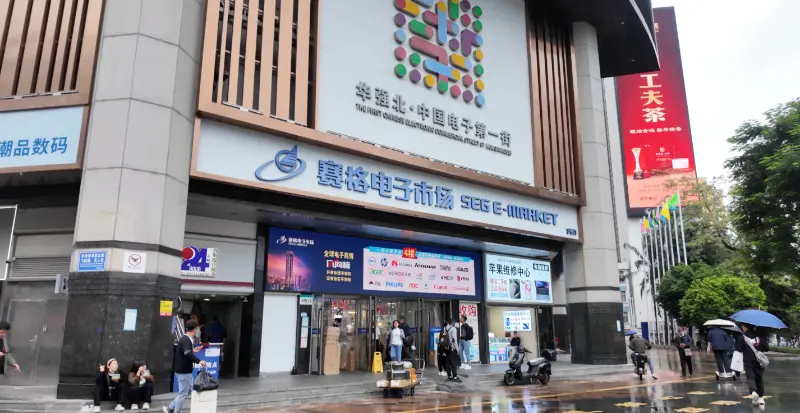
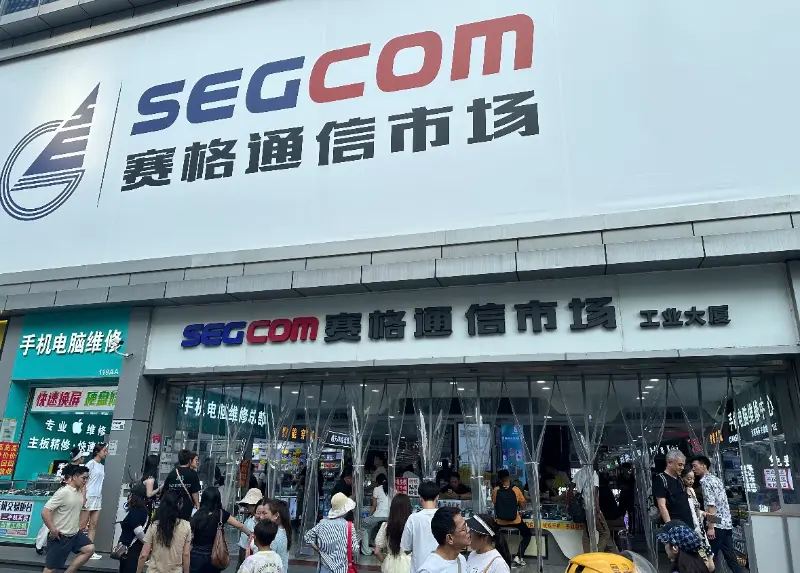
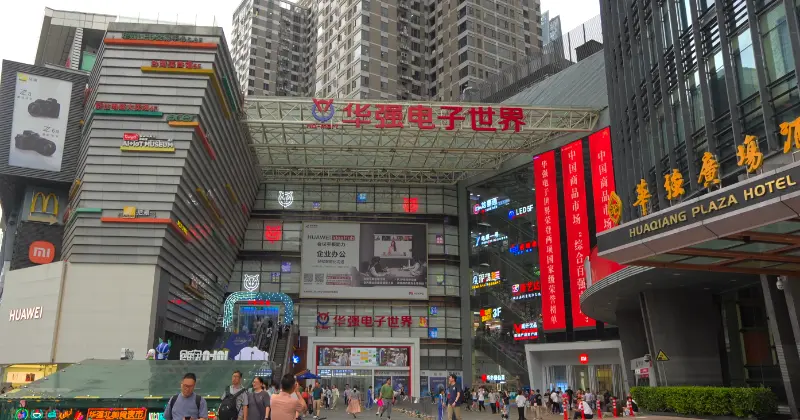
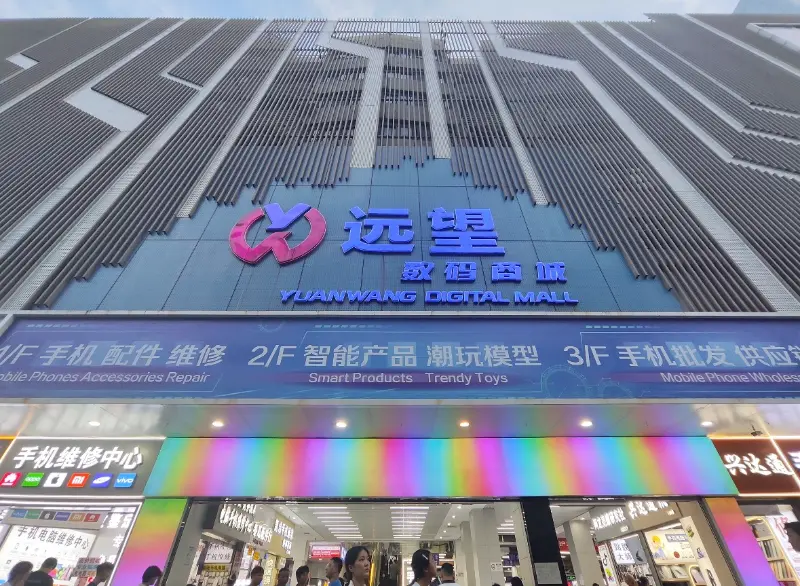
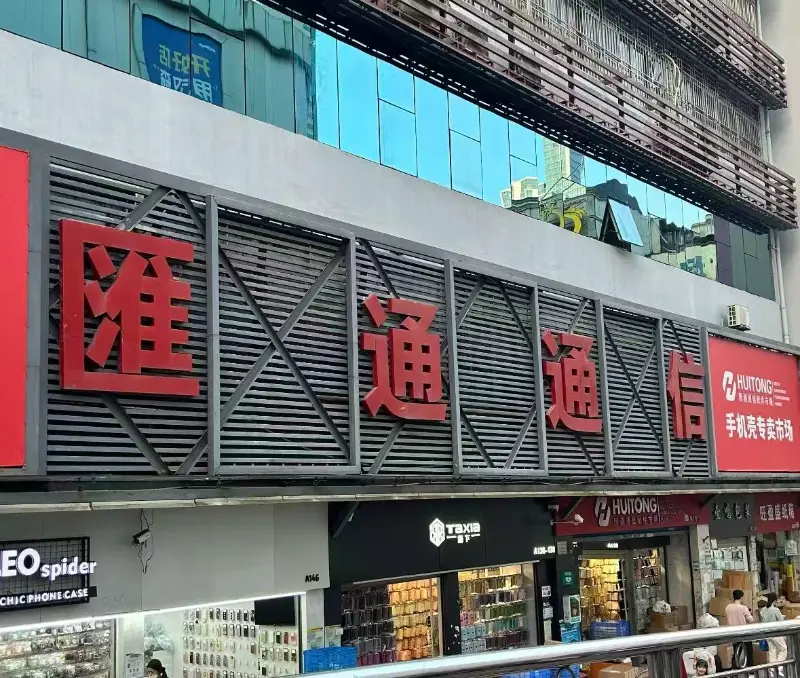
For importing electronics from China, Shenzhen Huaqiangbei Electronics Market and Guangzhou Electronic Market are two marketplaces that are worth visiting.

2. Phone cases and screen protectors

Phone cases and tempered screen protectors are tiny, cost almost nothing per unit, and are needed by almost everyone. A fun pattern or premium texture is often enough to win the sale, and demand remains steady as buyers upgrade and replace their phones. You can test your ideas with very little capital.

  • Advantages: Rather cheap per unit, fast to test, easy to customize.
  • Target market: Smartphone owners across every region.
  • Estimated gross margin: 40% to 90%, depending on design and branding.
  • Key certifications: Minimal; verify material safety and avoid trademarked logos or designs.
  • Sourcing tip: Start with cases for the most popular phone models and one or two standout designs, then scale the winners.

3. USB-C cables and charging adapters

USB-C cables and budget power adapters are everyday essentials that drive repeat purchases. They are cheap to ship, easy to stock, and always in demand, and bundling cables with adapters lifts your order value. That makes them a reliable, low-risk product to import from China.

  • Advantages: Recurring demand, simple to bundle, low unit cost.
  • Target market: General consumers and accessory shoppers globally.
  • Estimated gross margin: 30% to 70%, more for branded packs.
  • Key certifications: CE, RoHS, FCC; look for USB-IF compliant cables for quality.
  • Sourcing tip: Test a few colors and lengths in a small branded pack before ordering larger quantities.

4. Portable power banks

Portable power banks are an evergreen tech accessory with steady demand from travelers and remote workers. As phones grow more power-hungry, backup chargers stay popular year-round. Because they contain lithium cells, you must source from experienced suppliers who ship by approved methods.

  • Advantages: Constant demand, strong bundle potential with cables.
  • Target market: Travelers, commuters, and gadget owners worldwide.
  • Estimated gross margin: 30% to 70% on base models.
  • Key certifications: UN38.3 transport test, plus UL or IEC and an MSDS for shipping.
  • Sourcing tip: Avoid the cheapest cells, which can fail or pose a fire risk, and confirm battery safety test reports.

5. Bluetooth speakers

Bluetooth speakers sell consistently as affordable tech for home and travel. They are compact, hold strong perceived value, and reward sound quality and battery life, so test both before a large order. Innovative features can command premium pricing.

  • Advantages: Compact, year-round demand, premium upside with features.
  • Target market: Home users, travelers, and younger buyers.
  • Estimated gross margin: 30% to 65%, depending on features and brand.
  • Key certifications: FCC, CE, RoHS; UN38.3 if the battery ships separately.
  • Sourcing tip: Order samples and test real battery life against the supplier’s claims.

6. Smartwatches and fitness trackers

Smartwatches and fitness trackers ride the steady wellness wave and offer good margins with branding. They are small and light, which keeps shipping cheap, but the electronics need proper certification. Health and activity tracking give them genuine repeat appeal.

  • Advantages: High perceived value, wellness-driven demand, light to ship.
  • Target market: Health-conscious buyers and gift shoppers.
  • Estimated gross margin: 30% to 70%.
  • Key certifications: FCC, CE, RoHS; confirm data accuracy and battery safety.
  • Sourcing tip: Verify the companion app works smoothly, since poor software drives returns.

7. Car phone mounts

Car phone mounts are practical accessories with consistent demand from drivers and rideshare workers. They are small, durable, and inexpensive, and they sell reliably through repeat replacement. Strong mounting strength is the key quality signal.

  • Advantages: Low cost, durable, steady replacement demand.
  • Target market: Drivers, commuters, and rideshare operators.
  • Estimated gross margin: 40% to 90%.
  • Key certifications: Minimal; verify material durability and grip strength.
  • Sourcing tip: Test mounting strength and phone compatibility on samples to protect your reviews.

8. LED strip lights

LED strip lights are popular for room decor, gaming setups, and home accents, with demand fueled by social media. They are light to ship and sell to both consumers and installers, which opens multiple channels. Bundling kits or adding app control lifts margins.

  • Advantages: Light to ship, multiple sales channels, creative branding room.
  • Target market: Home decorators, gamers, and small installers.
  • Estimated gross margin: 35% to 90%, higher for smart kits.
  • Key certifications: CE and RoHS (EU), UL or ETL (US), and correct voltage for your market.
  • Sourcing tip: Start with a few popular colors and lengths, then expand to the best sellers.

9. Smart plugs and Wi-Fi sockets

Smart plugs are an easy entry into the smart home boom because they are compact and ship cheaply. Sticking to basic plugs without heavy power ratings reduces certification headaches. Demand is growing fast across major markets.

  • Advantages: Compact, strong retail margins, bundle potential with bulbs and sensors.
  • Target market: Smart home adopters and DIY upgraders.
  • Estimated gross margin: 30% to 70%.
  • Key certifications: UL (US) or CE with correct plug standard, RoHS, FCC.
  • Sourcing tip: Begin with one or two basic plug types and confirm app pairing reliability before scaling.

10. Silicone kitchenware and bakeware

Silicone mats, molds, and utensils make cooking easier and tap into the home-cooking and eco trends. They are durable, cheap to produce, and small enough to ship in parcels. The category is evergreen rather than a passing fad.

  • Advantages: Durable, low production cost, parcel-friendly size.
  • Target market: Home cooks and gift buyers worldwide.
  • Estimated gross margin: 40% to 100% with attractive branding.
  • Key certifications: FDA food-contact (US) or LFGB (EU); confirm food-grade silicone.
  • Sourcing tip: Ask for food contact safety certificates before you commit, and source small kitchen goods through Yiwu for variety.

Need to import products from China but don’t know where to start?  Tell us your idea and get a free quote ›

11. Reusable stainless steel bottles and tumblers

Insulated bottles and tumblers are strong candidates for viral popularity and ride the reusable trend. They suit meal-prep buyers, and anyone who is always on the move, and distinctive designs travel well on social media. Vacuum insulation quality is the main differentiator.

Stanley cups, for your information, are primarily manufactured in China. See our blog that reveals the Stanley manufacturing locations.

  • Advantages: High perceived value, repeat and gift demand, branding upside.
  • Target market: Fitness, office, and outdoor buyers globally.
  • Estimated gross margin: 40% to 100%.
  • Key certifications: FDA food-contact or LFGB; confirm food-grade steel and BPA-free lids.
  • Sourcing tip: Test insulation performance on samples, since cheap units lose heat fast and trigger refunds.

12. Reusable straws and cutlery sets

Reusable stainless steel straws and cutlery sets are small, practical, and perfect for impulse buys. Single-use plastic bans keep demand rising in many markets, and bundled gift sets boost order value. There is no complex tech to manage.

  • Advantages: Low cost, eco appeal, easy to bundle.
  • Target market: Eco-conscious shoppers and gift buyers.
  • Estimated gross margin: 45% to 110% for gift sets.
  • Key certifications: FDA food-contact or LFGB for food contact items.
  • Sourcing tip: Focus on attractive bundle and gift packaging to stand out in a crowded eco category.

13. Bamboo toothbrushes and personal care swaps

Eco-friendly bamboo toothbrushes are light, easy to ship, and free of the heavy regulations that cosmetics carry. People replace them every few months, which makes them ideal for subscriptions and repeat orders. The sustainability angle supports premium pricing.

  • Advantages: Low regulation, repeat purchase, subscription potential.
  • Target market: Sustainable-living buyers in many regions.
  • Estimated gross margin: 45% to 120% for branded eco bundles.
  • Key certifications: Material and sanitary certifications; confirm bristle safety.
  • Sourcing tip: Lead with eco packaging and small bundles, and verify the bamboo source.

14. Silk pillowcases

Silk pillowcases have become a beauty staple promoted for hair and skin, with steady search demand. They pack flat and ship light, yet command strong retail prices when positioned as a luxury or beauty-sleep item. Fabric content and stitching quality decide the reviews.

  • Advantages: Flat-pack and light, premium positioning, strong add-on sales.
  • Target market: Skincare and sleep-focused buyers, gift shoppers.
  • Estimated gross margin: 50% to 120%.
  • Key certifications: OEKO-TEX Standard 100 and accurate fiber-content labeling.
  • Sourcing tip: Order samples to feel the fabric and check stitching; consider blended silk to manage cost. Source textiles through Guangzhou or Zhejiang factories.

15. Pimple and acne patches

Acne patches exploded thanks to social commerce and cost only pennies per unit to produce. They are classified as everyday skincare, so the regulatory bar is low beyond proper labeling. Their tiny size makes shipping trivial and returns rare.

  • Advantages: Ultra-light, viral demand, low liability.
  • Target market: Teens and young adults, social commerce buyers.
  • Estimated gross margin: 50% to 120% or more with branding.
  • Key certifications: Basic cosmetic labeling; confirm adhesive and hydrocolloid material safety.
  • Sourcing tip: Private-label them in small blister packs and bundle as an acne care kit to add value.

16. Facial rollers and gua sha tools

Jade rollers and gua sha tools sell as affordable skincare items tied to self-care routines and gifting. They are compact, non-electronic, and simple to ship, which keeps logistics easy. Stone quality and packaging reduce breakage and returns.

  • Advantages: Compact, non-electronic, strong gift appeal.
  • Target market: Skincare and wellness buyers, gift shoppers.
  • Estimated gross margin: 50% to 120%.
  • Key certifications: Minimal; verify material safety and finish.
  • Sourcing tip: Reinforce packaging to prevent stone breakage in transit.

17. Makeup brush sets

Makeup brush sets stay in demand year-round and sell best as multi-piece kits. A quality set has high perceived value, and tutorials on social media drive spikes. They need no premarket approval when they are simply brushes and sponges.

  • Advantages: Strong markup in sets, steady beauty demand.
  • Target market: Beauty buyers, gift shoppers, and resellers.
  • Estimated gross margin: 50% to 110%.
  • Key certifications: Cosmetic accessory standards; confirm non-toxic, anti-mildew bristles.
  • Sourcing tip: Bundle brushes with a cleaning mat to lift order value, and ask for custom-logo handles.

18. Blue light glasses

Blue light glasses remain popular as screen time stays high for work and gaming. They are light, affordable to source, and need no medical approval, just basic material and labeling compliance. Because lenses are fragile, protective packaging matters.

  • Advantages: Light, low cost, cross-sell potential with desk accessories.
  • Target market: Office workers, gamers, and parents.
  • Estimated gross margin: 40% to 90%.
  • Key certifications: Not a medical device; confirm lens filter specs and material safety.
  • Sourcing tip: Ask suppliers for the lens cutoff wavelength and ship in hard cases.

19. Resistance bands and home fitness gear

Resistance bands and small fitness gear suit home workouts, office stretches, and travel routines. They are lightweight, cheap to ship, and easy to private label, whether sold singly or in bundles. The category is universal across major markets.

  • Advantages: Very light, easy to bundle and brand, low risk.
  • Target market: Home fitness and wellness buyers worldwide.
  • Estimated gross margin: 45% to 110%.
  • Key certifications: Material safety (latex-free options); avoid medical claims.
  • Sourcing tip: Start with a few popular colors or resistance levels and add branded packaging.

20. Yoga mats

Yoga mats pair with the steady home-fitness trend and reward quality materials. They are slightly bulkier than bands but still affordable to ship in non-toxic foam. Branding and a carry bag lift perceived value.

  • Advantages: Steady demand, branding and bundle upside.
  • Target market: Fitness, yoga, and wellness buyers.
  • Estimated gross margin: 35% to 80%.
  • Key certifications: REACH and phthalate limits; confirm non-toxic TPE or PVC.
  • Sourcing tip: Check thickness and grip on samples, and bundle with blocks or straps to raise order value.
Need to import products from China but don’t know where to start?  Tell us your idea and get a free quote ›

21. Massage guns

Massage guns moved from gyms into general retail and now sell well online for recovery and stress relief. They carry strong perceived value, though the motor and battery require proper certification. Quiet operation and battery life are key buying points.

  • Advantages: High perceived value, wellness-driven demand.
  • Target market: Fitness users and recovery-focused buyers.
  • Estimated gross margin: 30% to 70%.
  • Key certifications: FCC and CE for the motor, plus UN38.3 if it uses a lithium battery.
  • Sourcing tip: Test noise level and battery life on samples before a large order.

22. Pet toys and accessories

Pet toys and small accessories tap a booming pet economy where buyers happily spend more each year. They are easy to source, cheap to ship, and reward novel or interactive designs with repeat sales. Holidays bring seasonal spikes.

  • Advantages: Resilient demand, repeat purchases, fun branding room.
  • Target market: Pet owners across major markets.
  • Estimated gross margin: 40% to 100% with seasonal peaks.
  • Key certifications: Non-toxic materials; ASTM or EN71-style safety for chew and play items.
  • Sourcing tip: Start with light items that need no food safety approval and focus on standout designs. Yiwu carries deep pet-accessory ranges.

23. Minimalist jewelry and bracelets

Minimalist necklaces and bracelets offer one of the strongest markups on this list thanks to low cost and high perceived value. Demand is steady across fashion, gifting, and personalization. They are lightweight and ideal for impulse purchases.

  • Advantages: Very low cost, light, strong impulse and gift appeal.
  • Target market: Fashion and gift buyers, personalization shoppers.
  • Estimated gross margin: 50% to 120%.
  • Key certifications: Nickel, lead, and cadmium limits (CPSIA for US, REACH nickel rules for EU).
  • Sourcing tip: Disclose metal type clearly for labeling, and source through Yiwu’s accessory market for variety and low order minimums.

24. Bucket hats and belt bags

Bucket hats and belt bags revived through streetwear and are cheap to source with simple construction. Offering multiple colors and patterns lets you target different buyers. Lightweight fabric keeps shipping costs negligible.

  • Advantages: Cheap to source, trend-driven, small-batch friendly.
  • Target market: Streetwear, festival, and casual fashion buyers.
  • Estimated gross margin: 50% to 120%.
  • Key certifications: Textile content labeling and flammability rules where they apply.
  • Sourcing tip: Work with a supplier that allows small minimums so you can test designs cheaply.

25. Backpacks

Backpacks combine functional demand with fashion-driven upgrades across school, travel, and outdoor use. They are larger than accessories but stay cost-effective in lightweight fabrics. Stitching and zipper quality drive the reviews.

  • Advantages: Broad demand, fashion and function overlap.
  • Target market: Students, travelers, and outdoor buyers.
  • Estimated gross margin: 30% to 70%.
  • Key certifications: Textile and material safety; accurate content labeling.
  • Sourcing tip: Inspect zipper and seam strength on samples, since these cause most returns.

26. Handbags

Handbags support higher retail prices and strong margins when the designs match current styles. Demand comes from fashion-conscious shoppers across marketplaces. Lightweight materials keep them manageable to ship. China used to be the main Manufacturing location of Coach.

  • Advantages: Higher price points, strong margin when on-trend.
  • Target market: Fashion buyers and gift shoppers.
  • Estimated gross margin: 35% to 90%.
  • Key certifications: Material identification; CITES rules if any exotic leather is used.
  • Sourcing tip: List exact dimensions and materials to reduce returns, and refresh styles seasonally.

27. Educational toys and building blocks

Educational toys and building blocks see strong, steady demand from parents and gift buyers all year. They usually sell in sets, which justifies higher retail prices, and most are non-electronic, which simplifies importing. China produces the majority of the world’s toys.

  • Advantages: Year-round demand, set-based pricing, gift appeal.
  • Target market: Parents, educators, and gift buyers.
  • Estimated gross margin: 35% to 80%.
  • Key certifications: CPSIA and ASTM F963 with a CPC (US), EN71 and CE (EU).
  • Sourcing tip: Confirm material safety and age labeling, and budget for required lab testing on children’s products.

28. Notebooks and stationery

Notebooks and stationery are evergreen sellers across school, office, and home organization. Demand stays consistent year-round, and the items are inexpensive to source and easy to brand. Paper quality and binding durability decide satisfaction.

  • Advantages: Evergreen demand, easy branding, low cost in bulk.
  • Target market: Students, office buyers, and planners.
  • Estimated gross margin: 40% to 90%.
  • Key certifications: Minimal; FSC-certified paper is a useful selling point.
  • Sourcing tip: Check paper weight and binding on samples, and source stationery and small commodities through Yiwu.

29. Desktop organizers

Desktop organizers appeal to remote workers and home-office shoppers seeking affordable storage. Designs are simple, and material costs are low, which keeps margins solid. They are lightweight and stackable for shipping.

  • Advantages: Simple designs, low material cost, light to ship.
  • Target market: Remote workers and home-office buyers.
  • Estimated gross margin: 40% to 90%.
  • Key certifications: Minimal; confirm durable plastics or metal finish.
  • Sourcing tip: Focus on practical layouts and finishes that photograph well for listings.

30. Car seat covers

Car seat covers attract buyers who want to protect or refresh their vehicle interiors without permanent changes. Search demand is strong, though they are bulkier than small accessories, which affects shipping. Fit range and material durability are decisive.

  • Advantages: Strong demand, personalization appeal.
  • Target market: Vehicle owners and auto accessory buyers.
  • Estimated gross margin: 30% to 70%.
  • Key certifications: Interior flammability standards (such as FMVSS 302 in the US) and material safety.
  • Sourcing tip: Confirm fit ranges and material durability before sourcing to limit returns.
Found a product you like? Send us the link or a photo, and our Yiwu team will find vetted suppliers and quote it for you. Start your sourcing request here

How to find profitable products before your competitors?

The most profitable items to import from China are the ones with rising demand and low competition, and you can find them with a simple research routine. The goal is to spot trending products to import from China before the listings saturate, and to catch new products to import from China early. Use these steps:

  • Validate real demand. Check monthly search volume on Amazon and keyword tools, and confirm a steady or rising trend on Google Trends rather than a single short spike.
  • Look for low supplier saturation. Search the product on 1688 and Alibaba; a category with relatively few suppliers and few established brands often signals room to enter.
  • Scan customer pain points. Read reviews on Amazon and other marketplaces to find common complaints, then source an improved version.
  • Favor durability and customization. Products that last reduce returns, and OEM or ODM options let you build a brand instead of reselling a commodity.
  • Watch industrial output, not just hype. Categories with growing volume but stable pricing tend to age better than viral one-off gadgets.

The fast-selling products to import from China are usually lightweight, low-regulation, and tied to a clear daily need. If a product is heavy, highly regulated, or already sold by dozens of established brands, the math gets harder no matter how trendy it looks.

Related Articles:

Where to source products in China?

You can source products to import from China through online wholesale platforms, offline China wholesale markets, or a China sourcing agent, and the best choice depends on your budget and experience. Each route has clear trade-offs:

  • Online wholesale platforms. Alibaba, 1688, Global Sources, and DHgate offer huge catalogs and easy supplier messaging. They suit buyers who are comfortable vetting suppliers and handling logistics themselves.
  • Offline markets and trade shows. The Yiwu International Trade City and the Canton Fair let you inspect products in person and meet suppliers directly. This gives strong insight but costs time and travel.
  • Sourcing agents. A local agent finds suppliers, sources products, negotiates, runs quality checks, and consolidates shipping on your behalf. This suits buyers who cannot visit China or want to save time.

Where a product is made in PRC often points to the best place to source it. The table below maps common categories to their main sourcing hubs.

Product category Main China sourcing hub Why source there
Small commodities, accessories, jewelry, toys, stationery, eco goods, kitchen gadgets Yiwu (Futian Market, Zhejiang) The world’s largest small-commodity wholesale market, with low order minimums and huge variety in one place.
Consumer electronics, earbuds, power banks, smart devices, beauty tech Shenzhen, Guangdong The deepest electronics supply chain and component ecosystem.
Beauty, skincare tools, apparel, silk and textiles Guangzhou, Guangdong Mature cosmetics and textile factories with strong OEM and ODM support.
Furniture, lighting, home and building materials Foshan, Guangdong A leading cluster for furniture and home fittings at scale.

Related Articles:

Tips for importing products from China

Importing from China stays profitable in 2026 when you control compliance, logistics, and supplier risk. Small mistakes in any of these can erase your margin, so work through this checklist before you order:

  • Calculate landed cost first. Add freight, duties, insurance, and platform fees to your product cost. With the de minimis exemption suspended in the US and tariffs tightening elsewhere, even small shipments can now carry duties.
  • Start light and low-risk. Compact, lightweight products keep shipping and storage costs down and clear customs with fewer delays.
  • Verify compliance early. Batteries need UN38.3, cosmetics need correct ingredient labeling, and children’s items need CPSIA or EN71 testing.
  • Order samples and lock specs in writing. Request samples from the same material batch as production, and agree on detailed specifications before you pay.
  • Vet your suppliers. Review trade history and feedback, confirm contact details over a call, and use secure payment options such as Trade Assurance or escrow.
  • Test demand before scaling. Run a small first order on your sales channel before committing to large quantities.
  • Choose the right freight. Sea freight is most economical for larger orders, while air or express suits small test batches and fast-moving items.
  • Watch the calendar. Chinese New Year and Golden Week can delay production by weeks, so plan orders around them.

A few categories carry extra risk and are worth approaching carefully: branded phone cases and accessories invite intellectual property complaints, whitening or treatment skincare can trigger regulatory hurdles, and laser or radio-frequency beauty devices often need special clearance. The table below summarizes the certifications that matter most by product type.

Product type Key certifications (US) Key certifications (EU)
Wireless electronics, audio, smart devices FCC CE, RoHS
Lithium batteries and power banks UN38.3, UL, MSDS UN38.3, CE
Food-contact kitchen and drinkware FDA food-contact LFGB
Children’s toys CPSIA, ASTM F963, CPC EN71, CE
Textiles, silk, apparel Content and care labeling OEKO-TEX, REACH
Jewelry and accessories CPSIA (lead, cadmium) REACH (nickel)

Conclusion

The best products to import from China in 2026 are the ones with steady demand, healthy margins, and low shipping and compliance friction, and the 30 picks above all fit that profile. Your success comes down to execution: calculate landed cost, confirm certifications, vet suppliers, and test demand before you scale.

Start with one or two lightweight products, validate them on your sales channel, and reinvest in the winners. China’s supply depth and customization make it the strongest place to build a product line, as long as you choose with data rather than hype.

Further Reading:

Ready to source any product on this list? Our Yiwu-based team handles supplier vetting, quality checks, and shipping for global importers, with no service fee. Get your free quotes here ›

Frequently asked questions

What is the best item to import from China?

The best products to import from China are ones with steady demand, low shipping weight, and manageable compliance, such as wireless earbuds, phone accessories, silicone kitchenware, or eco-friendly goods. Lightweight, low-regulation products give new importers the safest mix of strong margins and low risk.

What are the best products to import from China to India?

Popular choices for India include consumer electronics and accessories, LED lighting, kitchen gadgets, and fitness gear, all of which have broad demand and low shipping cost. Always confirm BIS certification requirements and current import duties for your specific category before ordering.

What are the most profitable items to import from China to Nigeria?

Profitable items for Nigeria include phone accessories, power banks, small electronics, fashion accessories, and household goods, which combine low unit cost with strong everyday demand. Factor in shipping, customs duties, and SONCAP product certification when you calculate your landed cost.

What are the most profitable items to import from China to the UK?

Strong UK performers include small electronics, home and kitchen goods, beauty accessories, pet supplies, and fitness gear, especially compact items that ship cheaply. Make sure products carry UKCA or CE marking where required and that you account for import VAT and duty.

Is it still profitable to import from China in 2026?

Yes, importing from China is still profitable in 2026, but margins are tighter than before because of higher freight costs and new duties in several markets. Profitability now depends on choosing lightweight, low-regulation products and building full landed cost into your pricing.

What is the cheapest way to import from China?

The cheapest products to import from China are compact and lightweight, so source those, consolidate orders into sea freight for larger shipments, and buy directly from factories or through a sourcing agent with no service fee. Reducing weight and avoiding heavily regulated categories cuts both shipping and clearance costs.

When you agree to FOB shipping point vs FOB destination, you are settling one thing that matters more than any other detail in the contract: the exact moment the goods stop being the seller’s problem and become yours.

Under FOB shipping point, that moment is when the goods are handed to the carrier at the origin.

Under FOB destination, it doesn’t arrive until the shipment reaches your door.

    Key Takeaways

  • FOB shipping point means ownership and risk pass to the buyer once the goods are handed to the carrier at the named origin.
  • FOB destination means the seller keeps ownership and risk until the goods arrive at the buyer’s named location.
  • Under FOB shipping point, the buyer usually pays freight; Under FOB destination, the seller usually pays.
  • Import duties and taxes normally stay with the buyer under both terms.
  • “Freight prepaid” and “freight collect” decide who pays the carrier, which is separate from who owns the goods.
  • In international contracts, DAP is the Incoterms rule that works the same way as FOB destination.

In this post from HiSourcing, you’ll find plain definitions, real shipment examples, a FOB shipping point vs FOB destination comparison table, and a full cost breakdown for each term, so you know exactly what you’re signing on your next purchase order.

What is FOB Shipping Point?

FOB shipping point (also called FOB origin) means the buyer takes ownership of the goods, along with the risk of loss or damage, the moment the seller hands them to the carrier at the named origin point.

From that moment on, the buyer pays the freight and deals with anything that goes wrong in transit.

The seller’s job ends once the goods are handed to the carrier at the origin point. From that second, the goods belong to the buyer. The buyer usually pays the freight, arranges the shipping, and files any claim if something is lost or damaged on the way.

Because the risk passes so early, buyers on these terms almost always arrange their own cargo insurance.

FOB shipping point example

Say you order 500 lamps from a supplier under FOB shipping point. The supplier delivers them to the carrier at the origin port, and at that moment, the lamps become yours.

If a container is dropped and half the lamps shatter in transit, the loss is on you, not the supplier. You would file the claim against your own cargo insurance, not ask the supplier for a refund.

Sourcing from China? HiSourcing helps importers pin down the right shipping term and get a clear, itemized FOB price quote from vetted suppliers, with no service fees. Talk to our team ›

What is FOB Destination?

FOB destination means the seller keeps ownership of the goods and the risk, until they are delivered to the buyer’s named location, usually the receiving dock. The seller usually pays the freight and stays responsible for the goods the entire way there.

A common question is whether the transfer happens the moment goods arrive, or only after the buyer inspects and accepts them.

Under the U.S. Uniform Commercial Code (UCC § 2-319), the seller must transport the goods at its own expense and risk to the named place and tender delivery there. Risk passes once the goods arrive and are made available for you to take delivery.

Your right to inspect doesn’t postpone that transfer, but it doesn’t weaken your protection either. Any damage that happened in transit occurred while the seller still carried the risk, so the seller is responsible for it regardless.

FOB destination example

Take the same order of 500 lamps, this time under FOB destination. The supplier owns the lamps until they reach your warehouse.

If that same container is dropped in transit, the supplier has to replace the broken lamps or refund you. The risk during the journey was never yours to carry.

FOB Shipping Point vs FOB Destination: Key Differences

FOB shipping point vs FOB destination responsibility comparison
FOB shipping point vs FOB destination: where risk and ownership pass from seller to buyer.

The two terms split every major responsibility at opposite ends of the trip. Here is the FOB shipping point vs FOB destination side-by-side comparison:

Factor FOB Shipping Point FOB Destination
Also called FOB origin, FOB point FOB destination point
Ownership transfers When goods are handed to the carrier at the origin When goods arrive at the buyer’s named location
Risk during transit Buyer Seller
Who usually pays freight Buyer Seller
Cargo insurance Arranged and paid by the buyer Arranged and paid by the seller
Who arranges shipping Buyer picks the forwarder and carrier Seller controls the shipping arrangements
Who files damage claims Buyer Seller
Import duties & taxes Buyer Buyer, unless agreed otherwise
Best for Importers who manage their own freight High-value goods and delivered-price deals

Who Pays FOB Shipping Point vs FOB Destination Cost?

Under FOB shipping point, the buyer pays for the main journey, and under FOB destination, the seller does. Either way, import duties and taxes normally stay with the buyer. Here is the standard split.

Cost under FOB shipping point

  • Seller pays for: export packaging + inland transport to the port or carrier at origin + export customs clearance + loading and origin charges.
  • Buyer pays for: main freight (ocean or air) + cargo insurance + destination port charges + import customs clearance, duties, and taxes + final delivery to their own warehouse.

Cost under FOB destination

  • Seller pays for: export packaging + inland transport at origin + export customs clearance + main freight + cargo insurance + delivery to the buyer’s named location.
  • Buyer pays for: import duties and taxes (unless the contract states otherwise) + unloading at their own dock.

One more label to watch is who pays the carrier. “Freight prepaid” means the seller pays the carrier; “freight collect” means the buyer pays the carrier. That is a separate question from who owns the goods. You can have FOB shipping point with freight prepaid, where the buyer owns the goods from the origin while the seller pre-pays the carrier and bills it back.

Importing from China? HiSourcing finds and vets suppliers, sourcing products at factory price, locks in the right shipping term, and manages your order from factory to port. Start with HiSourcing ›

Freight Prepaid vs Freight Collect: Reading the Full FOB Term

On invoices and bills of lading, FOB terms often carry a second phrase: freight prepaid or freight collect. The first half of the term controls ownership and risk. The second half only controls who pays the carrier.

  • FOB shipping point, freight collect: the buyer owns the goods in transit and pays the carrier. This is the default pairing.
  • FOB shipping point, freight prepaid: the buyer still carries the transit risk, but the seller pays the freight bill. If the term adds “and charged back,” the seller invoices that freight cost to the buyer afterward.
  • FOB destination, freight prepaid: the seller carries the risk and pays the freight. This is the default pairing.
  • FOB destination, freight collect: the seller carries the risk all the way to delivery, but the buyer pays the carrier on arrival.

So a term like “FOB destination, freight collect” is not a contradiction. It simply separates who is liable for the goods from who gets billed for the truck or vessel.

FOB Destination vs DAP: The Term Importers Actually Use

Here is the part that quick definitions tend to skip. “FOB destination” is a US domestic shipping term, and it does not exist in the Incoterms rules that govern international trade.

So when you import from a supplier overseas, like sourcing products from China, you will rarely see a clean “FOB destination” in a proper contract. The term that does the same job is DAP.

DAP (Delivered at Place) means the seller delivers the goods to your named destination and carries the risk the whole way there, while you handle import customs clearance and the duties. It gives you seller-arranged delivery with your own control over the customs entry.

DDP (Delivered Duty Paid) goes one step further: the seller also pays the import duties and taxes. The easiest way to picture DDP is FOB destination plus duties.

This matters on a real purchase order. If you write “FOB destination” to an overseas supplier, the two sides can read it completely differently. The supplier may read “FOB” the Incoterms way, as loaded at the origin port with you arranging the main freight, while you expected delivery to your door.

The result is that no one books the ocean freight or arranges customs. For anything crossing a border, use DAP or DDP for delivered terms, or FOB followed by the port for an origin handoff, and always add the named place and “Incoterms 2020.”

FOB Destination (US) DAP (Incoterms) DDP (Incoterms)
Where it applies US domestic International International
Seller delivers to Buyer’s location Buyer’s named place Buyer’s named place
Seller pays freight Yes Yes Yes
Who clears import and pays duties Not applicable (domestic) Buyer Seller
Risk transfers At the buyer’s location At the named place At the named place

More international trade terms under ICC Incoterms 2020:

Which Should You Use, FOB Shipping Point or FOB Destination?

Most experienced importers choose FOB shipping point, or Incoterms FOB on international deals, because it usually delivers a lower landed cost and full control over the freight.

Choose FOB shipping point when you have a freight forwarder you trust, you want to compare carrier rates yourself, and you’re ready to buy cargo insurance. The unit price is lower because the seller isn’t pricing transit risk into the quote.

Choose FOB destination (or DAP) when the goods are fragile or high value, you’re new to importing, or you simply want one delivered price with no logistics homework. Expect to pay a premium for the convenience, since the seller builds freight, insurance, and risk into the price.

If your supplier is quoting other terms instead, some of our blogs picked and explained some commonly used ones:

Not sure which term fits your next order? HiSourcing arranges FOB shipments from vetted China suppliers and explains every cost up front. Get a quote ›

When you import from overseas, most experienced buyers ship FOB at the origin port. It gives full visibility into every cost, lets you choose your own freight forwarder, and leaves a natural checkpoint at the port for a pre-shipment inspection before the goods ever leave the country.

Common FOB Mistakes to Avoid

A few simple habits prevent almost every FOB dispute:

  • Do not assume FOB means free shipping. It sets who is responsible, not a discount on the price.
  • Keep two questions apart: who owns the goods, and who pays the carrier. Ownership and freight prepaid or collect are different things.
  • Confirm cargo insurance for your leg of the trip. A gap here turns a transit accident into a direct loss.
  • Skip “FOB destination” on international orders. Use DAP or DDP so both sides read the contract the same way.
  • Always write the named place and the rule set, for example, “FOB Ningbo, Incoterms 2020,” so there is nothing left to interpret.

Conclusion

FOB shipping point vs FOB destination comes down to one decision: where responsibility for the goods changes hands. Under FOB shipping point, it passes to you at the seller’s location, so the transit risk and most of the cost are yours. Under FOB destination stays with the seller until the goods reach you.

Once you know where that handoff sits, the freight, the insurance, and the paperwork all follow from it. And when your shipment crosses a border, reach for the Incoterm that matches what you actually want, whether that is FOB at the port, DAP, or DDP.

FAQs about FOB Shipping Point vs FOB Destination

Is FOB shipping point the same as FOB destination?

No. They are opposites: FOB shipping point passes ownership and risk to the buyer at the seller’s location, while FOB destination keeps them with the seller until the goods reach the buyer.

Is FOB origin or destination better?

Neither is better for everyone. FOB origin, also called shipping point, suits buyers who want control and a lower price, while FOB destination suits buyers who want convenience and less transit risk.

Is DAP the same as FOB destination?

They are close but not identical. DAP is the Incoterms term for international shipments where the seller delivers to your location and you clear customs, while FOB destination is a US domestic term that says nothing about import duties.

Is Amazon FOB shipping point or destination?

It depends on the deal. As a third-party FBA seller you are the importer, so you usually buy from your supplier on FOB origin terms and arrange the freight to the Amazon warehouse yourself.

Is FOB only for sea freight?

Under the Incoterms rules, FOB applies only to sea and inland waterway transport, and FCA is the correct term for air or road. The US domestic FOB shipping point and FOB destination labels are used more broadly across transport modes.

Is freight collect the same as FOB shipping point?

No. Freight collect only says the buyer pays the carrier, while FOB shipping point says the buyer owns the goods and carries the risk from the seller’s location. A shipment can be FOB shipping point with either freight collect or freight prepaid.

We're glad to hear from you!

All good things start with ‘Hi’. HiSourcing is here to help you solve the pain points in procurement. Let’s do some real business and let’s source.

Start Your Free Consultation Today
Contact Form
Scroll to Top
Contact Form
We’re glad to hear from you!

All good things start with “Hi”. Hisourcing is here to help you solve the pain points in procurement. Let’s do some real business and let’s source.